masonry restoration and preservation

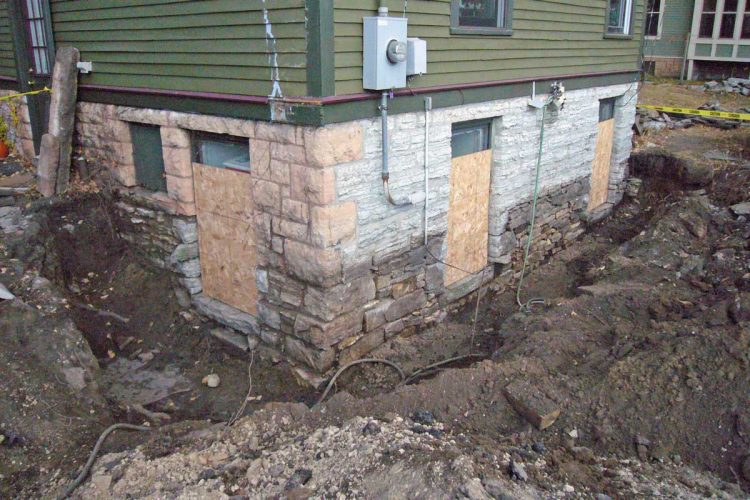
Fully restored stone foundation with reinforced mortar and corrected wall alignment.

masonry restoration and preservation cincinnati
Masonry Restoration & Preservation in Cincinnati, Dayton & Greater Southwest Ohio

Brick, stone, and mortar are among the most durable building materials ever used in residential construction — but they are not maintenance-free, and they are not immune to the relentless effects of time, moisture, and Ohio’s demanding climate.

Masonry structures that were built to last a century can deteriorate decades ahead of schedule when water infiltration, freeze-thaw damage, improper previous repairs, or simply years of deferred maintenance go unaddressed.

At Oberer Construction Co., masonry restoration and preservation is some of the most technically demanding work we do — and some of the most important.

With over 45 years of hands-on masonry experience throughout Greater Cincinnati, Dayton, and Southwest Ohio, we understand how older brick and mortar systems were built, how they fail, and what it takes to bring them back to sound, watertight condition without causing further damage in the process.

Whether we’re restoring a deteriorated chimney, stabilizing a failing foundation wall, or returning the original character to a century-old brick home, our approach is always the same: diagnose the root cause, repair it correctly, and protect the structure from future deterioration.

True masonry restoration is far more involved than patching visible damage and calling the job done. It requires a thorough understanding of original construction methods, period-appropriate mortar compositions, compatible repair materials, and the sequence of repairs that addresses underlying problems rather than masking them.

Oberer Construction Co. provides comprehensive masonry restoration and preservation services for residential and commercial properties throughout Southwest Ohio, including:

  • Tuckpointing and mortar joint restoration — removing deteriorated mortar and replacing it with a mix matched to the original in composition, color, and hardness to prevent future joint and brick damage
  • Brick replacement and blending — sourcing and integrating replacement brick that matches the existing masonry in size, color, texture, and bond pattern
  • Historic mortar analysis and matching — identifying original lime-based mortar compositions common in older Cincinnati and Dayton area homes and replicating them correctly
  • Structural crack repair and stabilization — addressing the root cause of movement or settlement before restoring the masonry surface
  • Efflorescence removal and treatment — eliminating salt deposits and correcting the moisture source driving them
  • Masonry cleaning — professional low-pressure washing and chemical cleaning methods that restore appearance without damaging brick or mortar
  • Waterproofing and breathable sealer application — protecting restored masonry from future moisture infiltration while allowing the structure to release trapped vapor
  • Full chimney and fireplace restoration — top-to-bottom assessment and restoration of chimney systems suffering from years of water damage and deferred maintenance

Why Masonry Restoration Requires More Than a Contractor — It Requires a Specialist

Not every masonry contractor is equipped to handle restoration work, and the difference between a specialist and a generalist becomes painfully obvious when the wrong approach is applied to an older structure. The most common — and most damaging — mistake made in masonry restoration is using the wrong mortar.

Modern Portland cement-based mortars are significantly harder than the soft lime mortars used in homes built before the mid-20th century, and applying them to older brick creates a serious structural mismatch.

When a harder mortar is packed into joints on an older, softer brick, the mortar can no longer perform its intended function of absorbing and releasing stress. Instead, that stress transfers directly into the brick faces, causing spalling, cracking, and accelerated deterioration that is far more expensive to correct than the original joint repair would have been.

Throughout Greater Cincinnati and Dayton — where a substantial portion of the housing stock dates from the early 1900s through the mid-century era — this mistake is made regularly by contractors who simply don’t understand the materials they’re working with.

At Oberer Construction Co., our restoration approach begins with understanding what was originally built before we touch a single mortar joint.

On older properties, that means evaluating the existing mortar composition, assessing the brick’s porosity and hardness, and selecting repair materials that are compatible with the original construction rather than simply convenient or readily available.

We’ve spent over 45 years working on the brick and stone homes of Greater Cincinnati and Southwest Ohio, and we understand the regional building traditions, the materials commonly used in different construction eras, and the specific ways Ohio’s climate acts on those materials over time.

That accumulated knowledge is what separates a masonry restoration that holds up for another 50 years from one that creates new problems within a decade — and it’s why homeowners with older, historically significant, or simply deteriorating masonry choose Oberer Construction Co. when the work genuinely matters.


masonry restoration on lift
before after photo chimney restoration

Our Masonry Restoration Services

Every masonry restoration project is different — different materials, different construction era, different damage patterns, and different goals. Oberer Construction Co. brings the full range of restoration expertise needed to assess your property accurately and return it to sound, lasting condition. Our masonry restoration and preservation services include:

  • Tuckpointing and mortar joint repointing — period-appropriate mortar matching in composition, color, and hardness
  • Brick and stone replacement — sourcing compatible materials that blend seamlessly with existing masonry
  • Historic lime mortar restoration — correct identification and replication of original soft mortar systems on older homes
  • Structural crack repair and wall stabilization — addressing the root cause of movement before restoring the surface
  • Efflorescence removal and moisture source correction — eliminating staining and the underlying water infiltration driving it
  • Masonry cleaning and surface restoration — low-pressure and chemical cleaning methods that restore appearance without damaging original materials
  • Breathable waterproofing and sealer application — long-term moisture protection that preserves rather than traps

FAQ's for Masonry Restoration & Preservation | oberer Construction co

What is the difference between masonry repair and masonry restoration?

Masonry repair typically addresses a specific, isolated problem — a cracked brick, a failed mortar joint, a spalling section of wall. Masonry restoration is a more comprehensive process that evaluates the entire structure, identifies the root causes of deterioration, and returns the masonry to sound, stable, and historically appropriate condition through a coordinated sequence of repairs. Restoration often involves multiple services performed together — tuckpointing, brick replacement, cleaning, crack stabilization, and waterproofing — because the damage is rarely limited to one isolated area. At Oberer Construction Co., we assess every restoration project as a whole system, not a collection of individual problems, because addressing symptoms without understanding their cause leads to repairs that fail prematurely.

How do I know if my brick home needs restoration versus simple repairs?

Simple repairs are appropriate when damage is isolated, the surrounding masonry is in sound condition, and there is no evidence of ongoing moisture infiltration or structural movement. Restoration becomes necessary when deterioration is widespread, when multiple systems are failing simultaneously, when previous repairs have caused additional damage, or when the structure has been compromised by years of water infiltration. Specific warning signs that point toward restoration rather than spot repair include widespread mortar joint deterioration across multiple walls, recurring efflorescence staining, brick faces that are spalling or delaminating across large areas, visible cracks that have grown over time, and interior moisture damage that traces back to the masonry exterior. Oberer Construction Co. provides honest assessments that distinguish between what genuinely needs restoration and what can be addressed with targeted repairs.

Why is mortar matching so important in masonry restoration?

Mortar matching is one of the most critical and most commonly mishandled aspects of masonry restoration. Mortar is not simply a filler — it is a precisely engineered component of the masonry system, designed to be slightly softer and more flexible than the brick or stone it holds together. This allows the mortar to absorb and release the stress of thermal expansion, settlement, and moisture movement without transmitting that stress into the masonry units themselves. When a harder, modern Portland cement mortar is used to repoint older soft-brick construction — which is extremely common in Greater Cincinnati and Dayton area homes built before the 1950s — the stress that the mortar can no longer absorb transfers directly into the brick faces, causing spalling and cracking that is irreversible and expensive to correct. Oberer Construction Co. evaluates existing mortar composition on every older restoration project and matches replacement mortar in hardness, composition, and color.

Can historic or older brick homes be restored without damaging the original materials?

Yes — but it requires a contractor who understands the specific materials and construction methods of the era in which the home was built. Older brick is typically softer, more porous, and more susceptible to damage from aggressive cleaning methods, incompatible mortar, and improper joint cutting techniques than modern brick. The tools, mortar mixes, cleaning products, and application methods appropriate for a 1920s brick home are different from those used on a home built in 1980. Oberer Construction Co. has spent over 45 years working on the older residential masonry throughout Greater Cincinnati and Southwest Ohio, and we approach every historic or period structure with the material knowledge and care those structures require.

What causes efflorescence, and does it indicate a serious problem?

Efflorescence is the white, chalky staining that appears on brick and mortar surfaces when water moves through the masonry, dissolves naturally occurring salts within the material, and deposits them on the surface as the water evaporates. The staining itself is not structurally harmful, but it is a reliable indicator that water is actively moving through your masonry — and that underlying condition absolutely warrants attention. Recurring or widespread efflorescence points to failed mortar joints, a compromised chimney crown, inadequate flashing, improper grading, or missing waterproofing that is allowing sustained moisture infiltration. Simply cleaning the staining without correcting the moisture source guarantees it will return. Oberer Construction Co. identifies and corrects the source of moisture driving efflorescence rather than treating only the visible symptom.

What is the correct way to clean older brick masonry?

Older brick masonry should never be cleaned with high-pressure water washing, harsh acid-based chemicals, or abrasive methods — all of which can permanently damage soft brick faces, erode mortar joints, and drive moisture deeper into the wall system. The correct approach depends on the type of soiling, the age and hardness of the brick, and the condition of the mortar joints. Professional low-pressure washing combined with appropriate masonry-specific cleaning solutions is the standard for most residential restoration cleaning. On structures with significant biological growth, staining, or paint removal needs, a carefully selected chemical cleaning program applied by an experienced mason is required. Oberer Construction Co. evaluates each surface before recommending a cleaning method, because the wrong approach on older masonry causes damage that cannot be undone.

Should masonry be sealed after restoration, and what type of sealer is appropriate?

Sealing restored masonry is strongly recommended, but the type of sealer matters enormously. Many readily available masonry sealers form a film on the surface that traps moisture vapor inside the wall — which accelerates deterioration of both brick and mortar rather than protecting them. The correct product for historic and older masonry is a penetrating, breathable silane or siloxane-based water repellent that allows the masonry to release trapped moisture vapor while blocking liquid water infiltration from the exterior. This distinction between breathable repellents and film-forming sealers is one that many general contractors are unaware of, and applying the wrong product to a restored masonry wall can undo years of careful repair work. Oberer Construction Co. uses professional-grade breathable water repellents on all restoration projects.

How long does a masonry restoration project typically take?

Project duration varies significantly based on the scope of work, the size of the structure, the extent of deterioration, and the number of restoration services involved. A focused restoration addressing mortar joint repointing, brick replacement, and waterproofing on a single chimney or wall section may be completed in two to four days. A comprehensive whole-home or multi-system restoration involving structural crack repair, widespread tuckpointing, cleaning, and sealing across multiple elevations may take one to three weeks or more. Oberer Construction Co. provides a detailed project scope and timeline before work begins so you have a clear understanding of what the process involves and how long your project will take.

Can masonry restoration increase my property value?

Significantly, yes — and on multiple levels. Restored masonry improves curb appeal immediately, which has a direct and measurable impact on assessed and market value. More importantly, it eliminates active deterioration that, left unaddressed, compounds into structural damage affecting the home's insurability, marketability, and long-term integrity. Buyers and home inspectors in the Greater Cincinnati and Dayton markets are experienced at identifying deferred masonry maintenance, and the presence of widespread mortar deterioration, efflorescence, spalling brick, or water damage around chimneys and walls consistently affects sale prices and negotiation outcomes. Professional masonry restoration protects and enhances what is typically a homeowner's largest single asset.

Why should I choose Oberer Construction Co. for masonry restoration and preservation?

Masonry restoration is among the most technically demanding work in the trades — it requires material knowledge, construction history awareness, diagnostic skill, and the craftsmanship to execute repairs that perform correctly for decades. Oberer Construction Co. has been restoring brick, stone, and mortar structures throughout Greater Cincinnati, Dayton, and Southwest Ohio for over 45 years. We understand the regional building traditions, the materials used across different construction eras, and the specific ways Ohio's climate acts on those materials over time. We match mortar to original compositions, source compatible replacement brick, use breathable waterproofing products, and address root causes rather than surface symptoms — because a restoration done correctly the first time is an investment that protects your property for generations. When the work genuinely matters, experience is not optional.
Call Oberer Now